How to Find the Perfect Muralist for Your Project
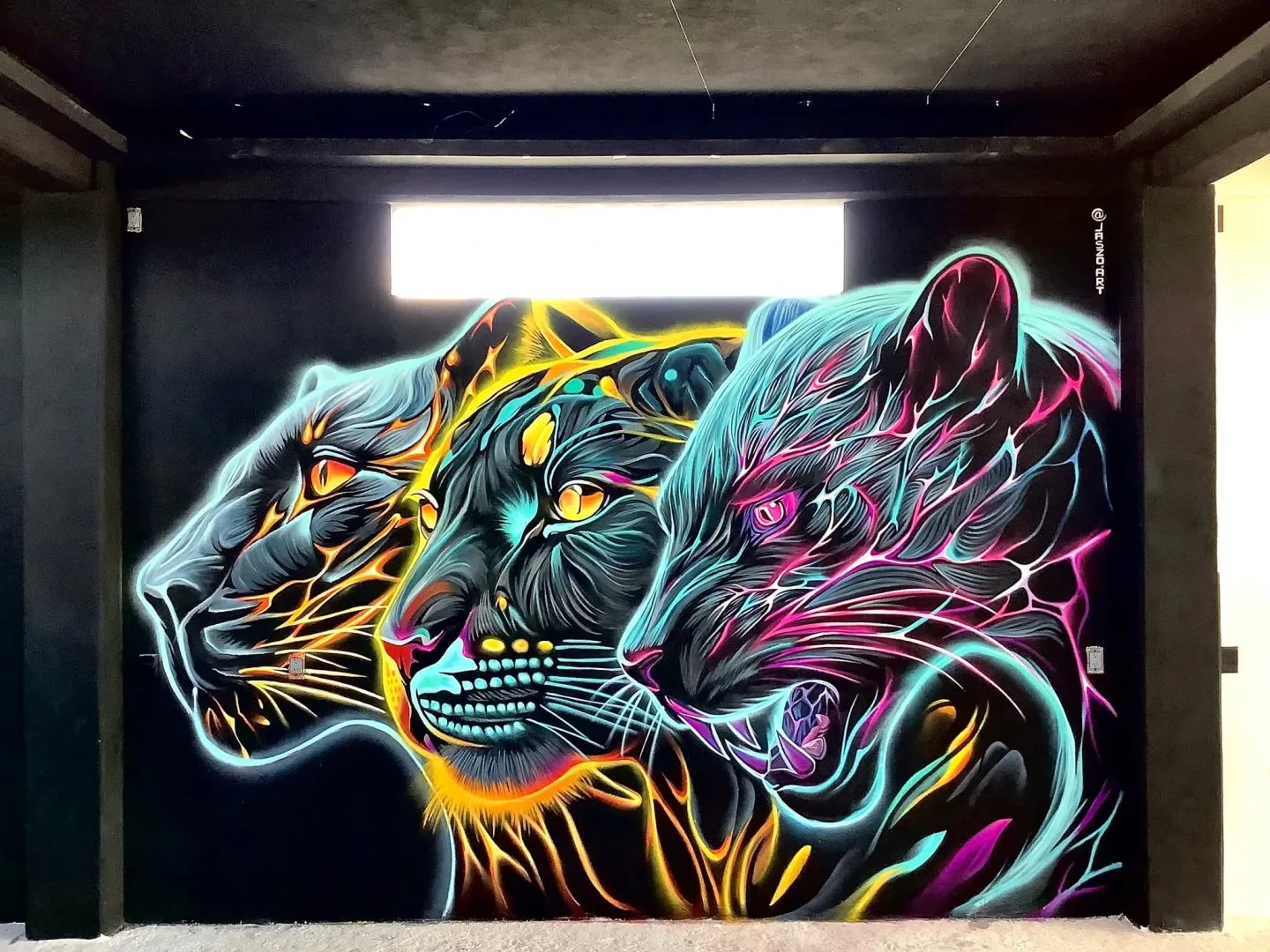
Hiring a muralist is not like hiring a handyman. A mural is a permanent piece that defines your space's identity for years. Yet most people searching for an artist for the first time end up navigating a fragmented, informal, and difficult-to-evaluate market. This guide walks you through the available methods, their advantages and risks, and how to make an informed decision that protects both your investment and your vision.
The Problem: A Fragmented Market
Unlike industries such as graphic design or photography, where consolidated platforms allow you to compare portfolios, prices, and reviews, the mural world still operates largely through informal channels. This creates information asymmetry: the client does not know how much to pay, what to ask, or how to distinguish an experienced professional from someone who paints as a hobby.
The result is predictable: projects that fall behind schedule, budgets that inflate mid-execution, and murals that do not reflect what the client had in mind. Understanding the available search channels is the first step toward avoiding these scenarios.
Search Methods: An Honest Comparison
Each channel has strengths and weaknesses. The key is understanding what you are choosing before committing to an artist.
1. Instagram and Social Media
The most common channel. Social platforms let you see an artist's work in real time and contact them directly.
Advantage: Immediate visual access to portfolios.
Risk: No verification, no contractual protection, no guarantee that the photos are actually their work. Filters and editing can distort quality.
2. Word of Mouth
Direct recommendations remain valuable, especially in local markets where trust outweighs portfolio quality.
Advantage: Pre-existing trust and verifiable reference.
Risk: Limits your options to the network of whoever is recommending. The artist's style may not match what you need.
3. Generic Platforms
Services like Thumbtack, Bark, or TaskRabbit connect clients with all types of service providers. That is precisely the problem: all types.
Advantage: Structured process, multiple quotes.
Risk: They attract “handyman bidders” - people who paint as just another service alongside plumbing or landscaping. They do not distinguish between a career artist and someone who bought a roller last week.
4. Specialized Platforms
Muralia operates exclusively in the mural niche, with over 250 verified artists across more than 60 cities in 4 countries.
Advantage: Curated portfolios, AI matching, contracts, escrow-protected payments.
Differentiator: Every artist goes through a verification process before being able to quote on projects.
Speed: According to Muralia's internal data, project owners receive their first artist quote in an average of 4 hours.
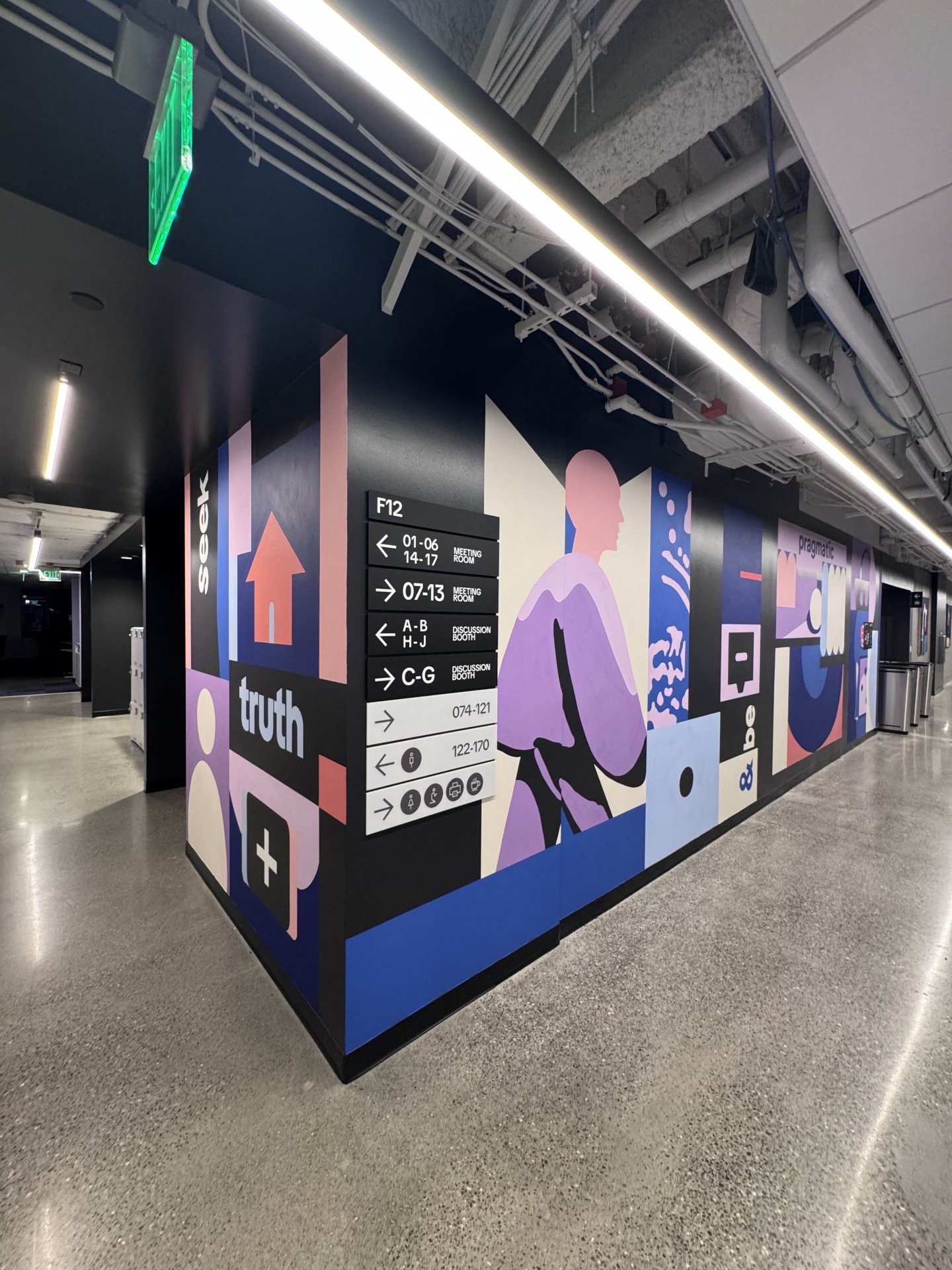
A professional portfolio shows style consistency and execution capability across different scales and contexts.
What to Look for in a Portfolio
The portfolio is the most important tool for evaluating a muralist. But attractive images alone are not enough - what matters is reading between the lines.
- 1Style consistency: A professional artist has a recognizable visual language. If every mural looks like it was made by a different person, it may indicate a lack of artistic identity or, worse, images taken from other portfolios.
- 2Scale variety: Look for projects of different sizes. An artist who only shows small murals may not be prepared for a 1,000 sq ft facade. Scale changes the logistics, materials, and technical complexity.
- 3Work in context: The best portfolio photos show the mural in its real environment - not just a close-up with good lighting. This helps you evaluate how the artist adapts their work to the architectural space.
- 4Technical quality: Observe the lines, color transitions, and edge cleanliness. A mural can have an attractive design but poor execution. High-resolution photos reveal details that thumbnails hide.
- 5Process photos: Serious artists document their process. Seeing a mural in stages - sketch, outline, color, details - builds confidence and demonstrates a working methodology.
Questions You Should Ask Before Hiring
An honest conversation at the start of the project saves problems later. These are the questions that separate professionals from amateurs:
Key Questions Checklist
- What does your quote include? - Materials, surface prep, final sealant, scaffolding, cleanup. A professional budget breaks down each line item.
- How many revision rounds are included? - Professional artists define the number of revisions upfront. If the answer is “as many as you need,” they probably have not worked with corporate clients.
- What is your timeline? - A professional can estimate timelines accurately. Be cautious of anyone who cannot give you an approximate delivery date.
- Do you have insurance or liability coverage? - For murals at heights or in commercial spaces, insurance is not optional. Ask what happens if there is an accident during the project.
- Can I contact a previous client? - Direct references are the most reliable way to verify professionalism, schedule adherence, and communication quality.
Red Flags: Warning Signs
No single sign is definitive on its own, but a combination of several should make you reconsider:
- Asks for 100% payment upfront. Industry standard practice is a partial deposit (between 15% and 50%) with the balance upon completion. Anyone who requests the full amount before starting is not aligned with market norms.
- Refuses to sign a contract. A written agreement protects both parties. If the artist resists documenting the scope, timeline, and conditions, it signals a preference for operating without formal commitments.
- Portfolio lacks coherence. Radically different styles across projects may indicate the images are not their own or that the artist does not have a defined identity.
- Cannot show process photos. Only final results with no evidence of how they work. This makes it difficult to verify that the work is genuinely theirs.
- Slow or evasive communication. If it takes days to respond during the quoting phase, communication will likely worsen during project execution.
The Importance of Contracts and Protected Payments
A mural is not an impulse purchase. It is an investment that can range from a few hundred to thousands of dollars, and the execution process can take weeks. Without a clear contractual framework, both the client and the artist are exposed.
A professional contract should include, at minimum: a description of the approved design, dimensions, materials, timeline, number of revisions, payment terms, and cancellation policy. On Muralia, these elements are generated automatically as part of the hiring flow.
Escrow: Why It Matters
An escrow system holds the client's payment until the work meets the agreed-upon conditions. This protects the client from paying for incomplete work and the artist from not getting paid after completing the project.
On Muralia, payments are structured in two phases: a 15% advance upon proposal approval and the remaining 85% upon mural completion. The funds remain protected throughout the entire process.
AI Matching: How It Works on Muralia
Finding the right artist among hundreds of options can be overwhelming. That is why Muralia uses artificial intelligence technology to filter and recommend artists based on the specific characteristics of each project.
The system analyzes the client's brief - location, desired style, budget, mural size, surface type - and cross-references it with the portfolios, experience, and availability of over 250 artists on the platform. The result is a curated selection of candidates who genuinely fit the project, eliminating the noise of irrelevant proposals.
250+
Verified artists on the platform
60+
Cities with active coverage
5
Countries with artist presence
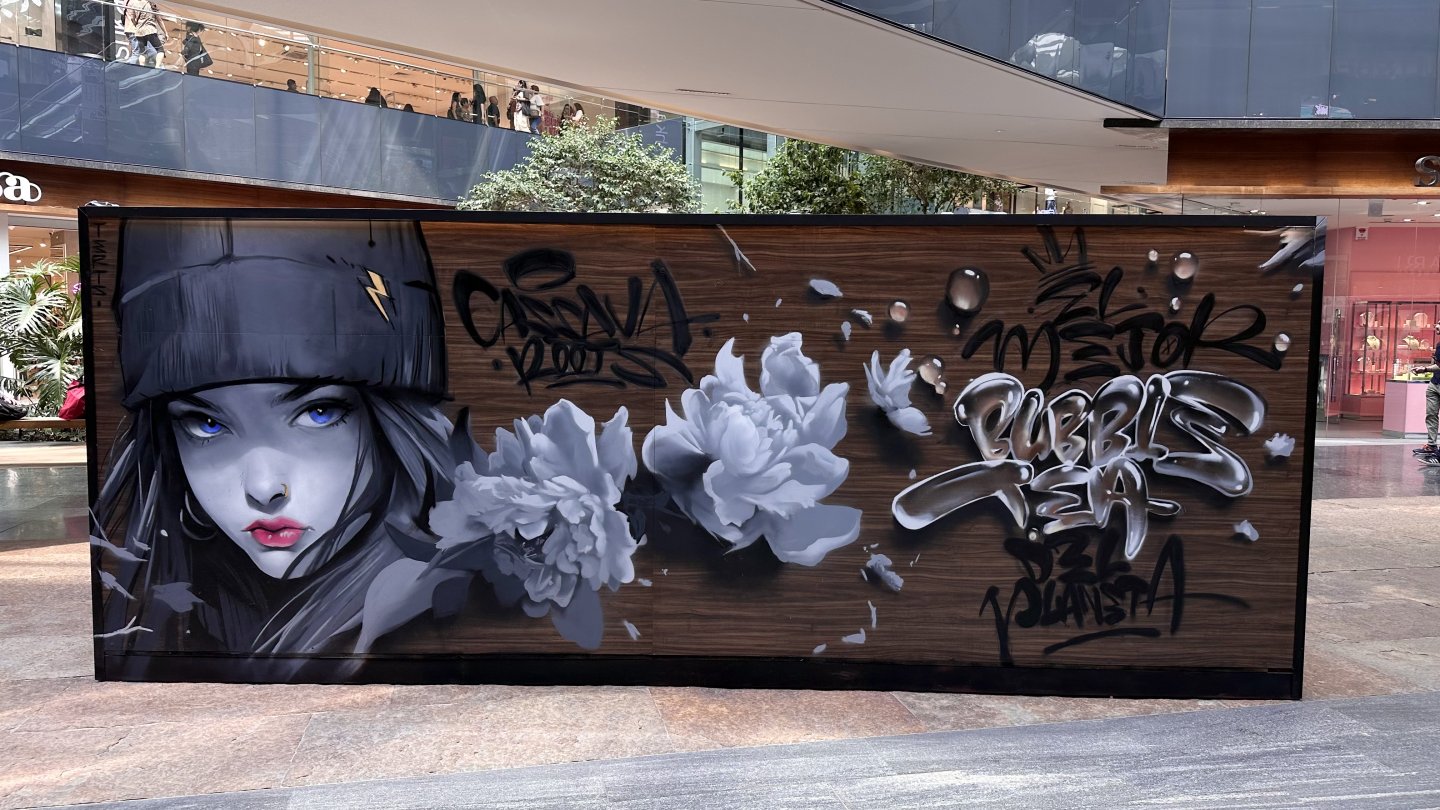
A well-managed project combines artistic talent with clear processes for hiring, communication, and payment.
Key Takeaways
Do not settle for the first result
Compare at least three artists before deciding. The differences in style, pricing, and professionalism become obvious when you have points of comparison.
Document everything in writing
The contract is not a formality - it is the tool that protects your investment. Make sure the approved design, timeline, and payment terms are documented.
Evaluate the process, not just the result
An artist who communicates well, meets deadlines, and handles surprises professionally is just as valuable as one with exceptional technical talent.
Use channels that protect you
Specialized platforms with integrated contracts and escrow payments significantly reduce the risk of a poorly executed project.