

Murals for Hotels: How to Create Memorable Guest Experiences
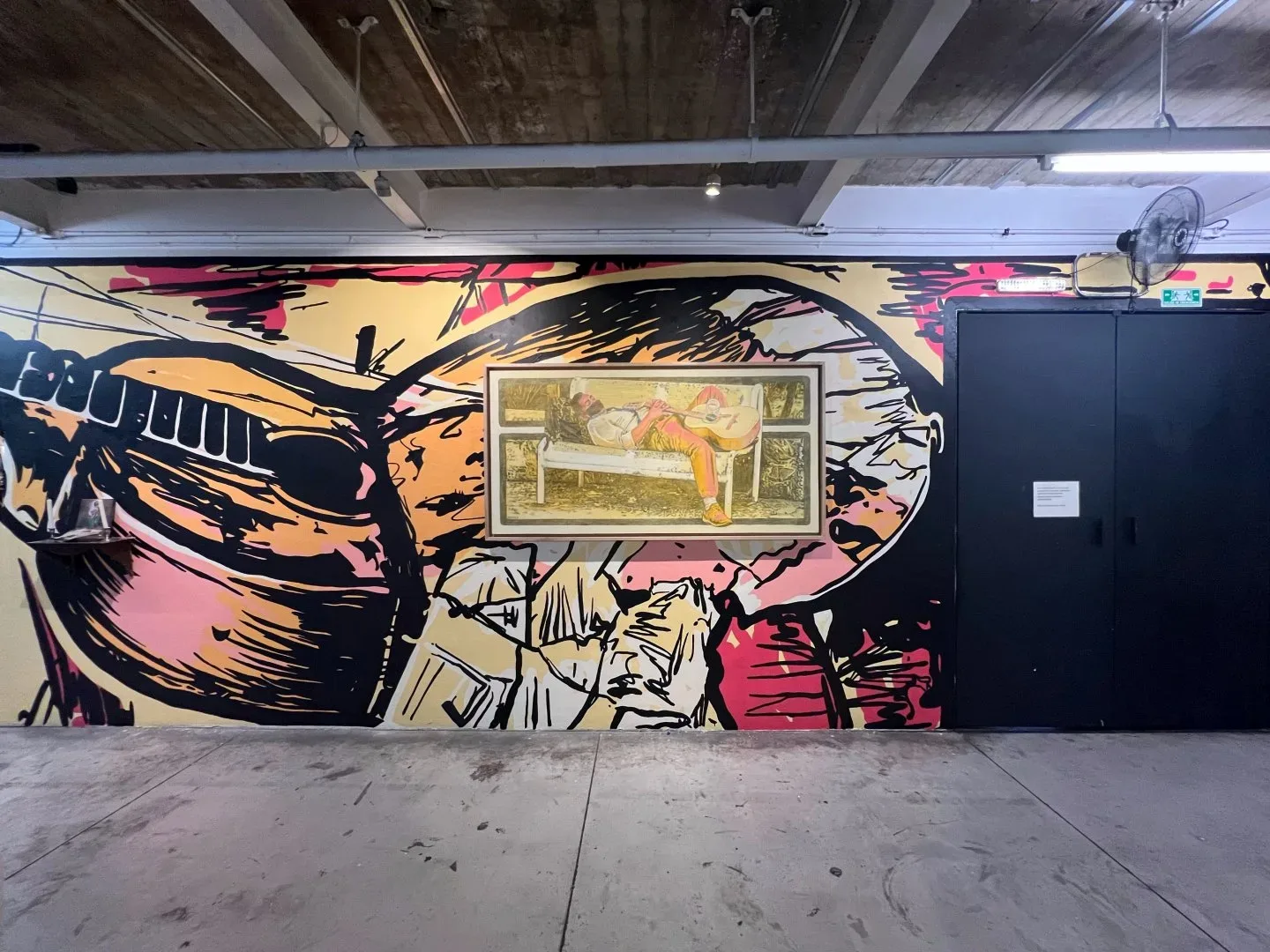
According to data cited by the hospitality industry, a significant proportion of travelers discover accommodations through visual social media platforms like Instagram. In a market where differentiation defines occupancy, murals for hotels have become a strategic tool that transforms lobbies into photo opportunities, rooms into experiences, and facades into shareable content. This article analyzes how mural art impacts key hospitality metrics - from ADR to guest-generated content - and why an increasing number of chains and boutique properties are integrating it as part of their value proposition.
There are hotels that offer comfortable beds, good service, and a convenient location. And then there are hotels where guests stop in the lobby before checking in to take a photo.
The difference, more and more often, is a mural.
This is not about decoration. It is about building a visual identity that works as an amenity, as marketing, and as an emotional anchor for the guest experience. A well-executed mural does not just beautify a space - it generates organic content, reinforces the brand narrative, and creates moments that travelers remember and share.
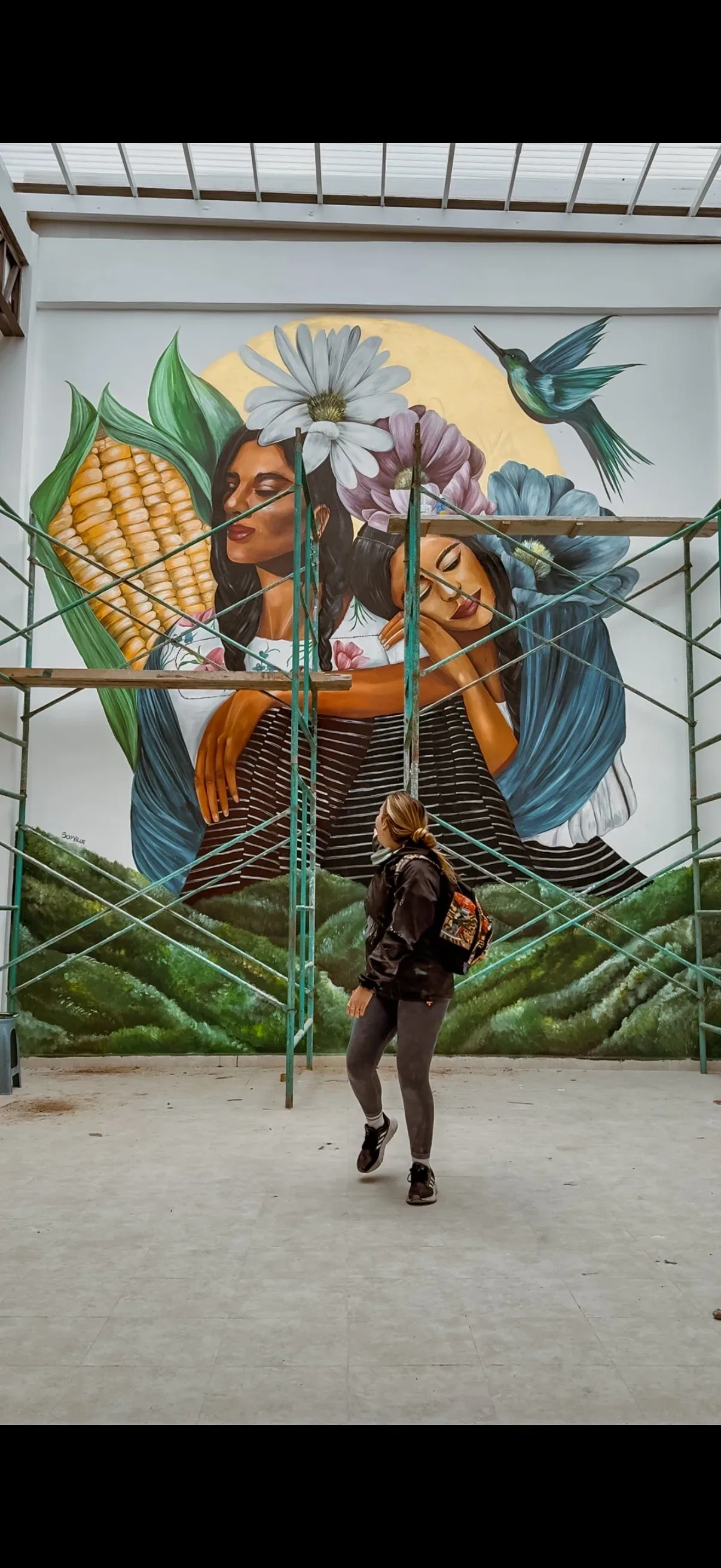
Murals transform functional surfaces into focal points that invite interaction and photography.
The New Amenity: Why Murals Matter in Hospitality
The hotel industry is undergoing a transformation where visual experience weighs as much as physical comfort. Travelers - particularly those between 25 and 45 years old - evaluate hotels not only by their amenities but by their photographic potential. A lobby with a large-format mural becomes content before the guest reaches their room.
This trend is not exclusive to mature markets. From boutique hotels in Oaxaca to resorts in Bali, from chains in Miami to hostels in Lisbon, mural art has established itself as a differentiator that transcends categories and budgets.
The data supports this observation. According to an Expedia Group report, properties with distinctive visual elements in their profile photos receive up to 35% more clicks on booking platforms. A mural is not a decoration expense - it is an investment in visibility.
The Lobby as a Content Opportunity
The lobby is the first impression and, in the digital era, the first opportunity to generate content. A strategically placed mural in the reception or waiting area serves three simultaneous functions: it establishes the hotel's identity, creates a natural photo moment, and communicates brand values without the need for text.
Hotels like The Line in Los Angeles, W Mexico City, and Mama Shelter across multiple cities have demonstrated that a lobby with mural art becomes a destination in itself. Guests share photos of the space before posting photos of the room or pool.
The principle is simple: when you design a space that people want to photograph, you turn every guest into a distribution channel. User-generated content (UGC) has significantly higher trust rates than traditional advertising, and a well-executed mural generates it organically.
3 Strategic Functions of Mural Art in Hotels
Beyond aesthetics, murals serve concrete operational and commercial functions in the hotel context.
1. Local Identity
A mural that references the destination's culture, flora, or history connects the guest with the place immediately. It eliminates the "generic hotel" feeling and anchors the experience in what makes the location unique.
2. UGC Engine
Every mural is a photo point that generates organic social media posts. A guest who shares a photo of the hotel's mural is doing free marketing with real reach and authentic credibility.
3. Emotional Wayfinding
Murals function as intuitive signage. A distinct mural on each floor or wing guides guests without corporate signage, creating navigation based on visual memory rather than room numbers.
Local Identity Through Art: The Factor Guests Remember
One of the most cited problems in negative chain hotel reviews is homogeneity. "It could be any Hilton in the world" is a comment that reflects a missed opportunity. Contemporary travelers seek connection with the destination, and a mural that integrates local elements - regional wildlife, landscapes, artisanal traditions - addresses that need permanently.
In Tulum, hotels like Papaya Playa Project have integrated murals by local artists that reference Mayan cosmogony. In San Miguel de Allende, boutique properties commission pieces that reinterpret the colors and textures of the historic center. In cities like Medellin and Buenos Aires, independent hotels use murals to connect with the urban art movement that defines the place's contemporary identity.
The result is consistent: guests mention the art in their reviews, photograph it, and share it. It is not an accessory - it is part of the experience they will remember from the trip.
Differentiation Strategies by Space Type
Not all hotel spaces offer the same opportunities for mural art. The location, scale, and function of each area determine the most effective type of intervention.
Lobby and Common Areas
Large-format murals that establish the hotel's identity from the first moment. Pieces that function as natural photo backdrops and communicate the brand narrative. Recommended scale: full walls of 3 to 6 meters.
Rooms and Suites
Murals as headboards or accent walls. They allow creating differentiated room categories - the "artist suite" - that justify premium rates and generate specific demand for certain rooms.
Restaurant and Bar
Food and beverage spaces are the most photographed areas after the room. A mural behind the bar or in the main dining area generates content that attracts both guests and local visitors.
Facade and Exteriors
An exterior mural turns the hotel into an urban landmark. Passersby photograph it, it appears on Google Maps, and it generates visibility 24 hours a day. It is the most visible piece with the greatest potential reach.
Indoor vs. Outdoor: Technical Considerations
The decision between indoor and outdoor murals is not purely aesthetic - it involves technical variables that affect the durability, maintenance, and visual impact of the piece.
Outdoor murals require UV-resistant paints, anti-graffiti sealants, and in coastal areas, protection against salinity. Their advantage is reach: they function as permanent advertising visible to anyone passing by the hotel. In tourist destinations, an exterior mural can turn an unremarkable facade into a stop on photo tours.
Indoor murals benefit from greater environmental control - no direct sun exposure or rain - which allows for more detailed techniques and subtler palettes. They are ideal for creating atmospheres in lobbies, hallways, and guest rooms. Their disadvantage is that only those already inside the hotel see them.
The most effective strategy combines both: an exterior mural that captures attention and generates curiosity, and interior murals that deepen the experience once inside. It is a system, not an isolated piece.
ROI of Mural Art in Hospitality
For hotel operators, the inevitable question is: what is the return? Available data suggests the impact is measured across multiple dimensions.
- 1Higher direct booking rate: Properties with a strong, differentiated visual identity tend to generate more direct bookings, reducing dependence on OTAs and their 15-25% commissions.
- 2Higher ADR (Average Daily Rate): Rooms with unique artistic elements can be positioned in premium categories. Hotels that have implemented "art rooms" report rate premiums between 10% and 30% over standard rooms.
- 3UGC as a marketing channel: Every photo a guest posts featuring the hotel's mural has an estimated organic exposure value. A hotel with 100 daily check-ins can generate dozens of weekly posts without ad spend.
- 4Differentiation in reviews: Guests who mention artistic elements in their reviews tend to give higher ratings. Art contributes to the perception of a "unique experience" that drives NPS.
Investment Perspective
Unlike other amenities that require constant maintenance - spas, gyms, pools - a mural is a one-time investment with a lifespan of 5 to 15 years indoors. The cost per night of exposure decreases with each day of operation, making mural art one of the experience investments with the best cost-benefit ratio in hospitality.
From Boutiques to Chains: How It Applies at Different Scales
Mural art is not exclusive to boutique hotels with unlimited creative budgets. The application varies by scale, but the principle works across all categories.
Boutique and independent hotels have the greatest creative freedom. They can commission provocative, experimental, or deeply local pieces without going through global brand committees. This is where mural art generates the greatest differentiating impact. Examples like Casa Habita in Guadalajara or Hotel San Cristobal in Baja California Sur demonstrate that a coherent art program can define an entire property's identity.
Chains and franchises face more brand restrictions, but many have found ways to integrate local art within their guidelines. Brands like Marriott Autograph Collection, IHG Vignette, and Accor's MGallery have made local art a pillar of their value proposition, allowing each property to reflect its destination while maintaining brand standards.
Hostels and budget properties are perhaps where the relative impact is greatest. A mural in a hostel can completely transform the perception of the space, elevating it from "functional accommodation" to "experience with personality" without requiring a full renovation.
The Process: From Concept to Finished Mural
Commissioning a mural for a hotel is not like buying a painting. It is a collaborative process that requires aligning artistic vision with commercial objectives, architectural constraints, and the guest experience.
- 1Brief and diagnosis: Define which spaces will be intervened, what narrative needs to be communicated, and what the technical constraints are (surface, lighting, guest traffic).
- 2Artist selection: The artist's style must align with the hotel's identity. A tropical resort needs a different approach than an urban executive hotel. The artist's origin also matters - a local artist brings authenticity that guests perceive.
- 3Proposal and approval: The artist presents scaled sketches that allow visualizing the piece in the space. This step is critical for aligning expectations before execution.
- 4Execution and documentation: Painting the mural can take from 3 days to 3 weeks depending on scale. Documenting the process in video and photo generates additional content for the hotel's social media channels.
Global Trends: What Leading Hotels Are Doing
Globally, several trends define how hotels integrate mural art into their strategy.
Artist-in-residence programs. Hotels like The Hoxton and Ace Hotel invite artists to create work on-site during stays of weeks or months. The process becomes part of the guest experience, as visitors can watch the artist work.
Mural rotation. Some properties commission temporary murals that change every 6-12 months, giving repeat guests reasons to visit again. It is a concept borrowed from art galleries and applied to hospitality.
Interactive and technological murals. The integration of augmented reality with physical murals enables experiences where guests point their phone at the mural and see animations or additional information. It is an emerging frontier that combines traditional art with technology.
Art as destination storytelling. Instead of generic decorative murals, hotels in cities like Mexico City, Bogota, and Lima commission pieces that narrate stories of the neighborhood, the building, or the local community. The mural becomes a visual guide to the destination.
4 Lessons for Hotel Operators
After analyzing dozens of successful implementations across different markets, these are the lessons that consistently emerge.
1. Prioritize Local
Hire artists from the destination where your hotel operates. Authenticity cannot be manufactured, and guests perceive it. A local artist understands the cultural context in ways an outside artist cannot replicate.
2. Design for the Camera
Consider lighting, photographic angle, and space for a person to stand in front of the mural. A mural that cannot be photographed well loses one of its primary functions as a content generator.
3. Think in Systems
An isolated mural decorates. A mural program - lobby, hallways, rooms, exteriors - builds an identity. Plan multiple interventions that dialogue with each other and reinforce a coherent narrative.
4. Document the Process
The process of creating a mural is valuable content. Time-lapses, artist interviews, and progress photos generate weeks of social media material before the mural is even finished.
How to Start: Muralia Connects Hotels with Artists in 4 Countries
Muralia operates as a global marketplace with over 250 verified artists in Mexico, Brazil, Guatemala, and Spain. The platform allows hotel operators to post their project, receive proposals from artists with relevant experience, and manage the entire process - from brief to payment - in one place.
For hotels, the process begins with a project brief where you define wall dimensions, desired style, budget, and timeline. Artists in the Muralia network submit proposals that include sketches, detailed budgets, and execution timelines.
Whether you are a boutique hotel looking for a lobby mural or a chain that needs artistic interventions across multiple properties, Muralia's infrastructure is designed to connect the operator's vision with the right artist's talent.
Art as a Permanent Competitive Advantage
In a market where travelers choose hotels as much for their aesthetics as for their location, murals represent an investment in permanent differentiation. They do not depreciate, they do not require software updates, and they do not lose relevance with the next trend cycle.
A well-executed mural is the intersection of art, marketing, and guest experience. It is the kind of investment that works for the hotel every day, every photo, every shared post.