

Murals in Offices and Coworkings: Art That Boosts Productivity
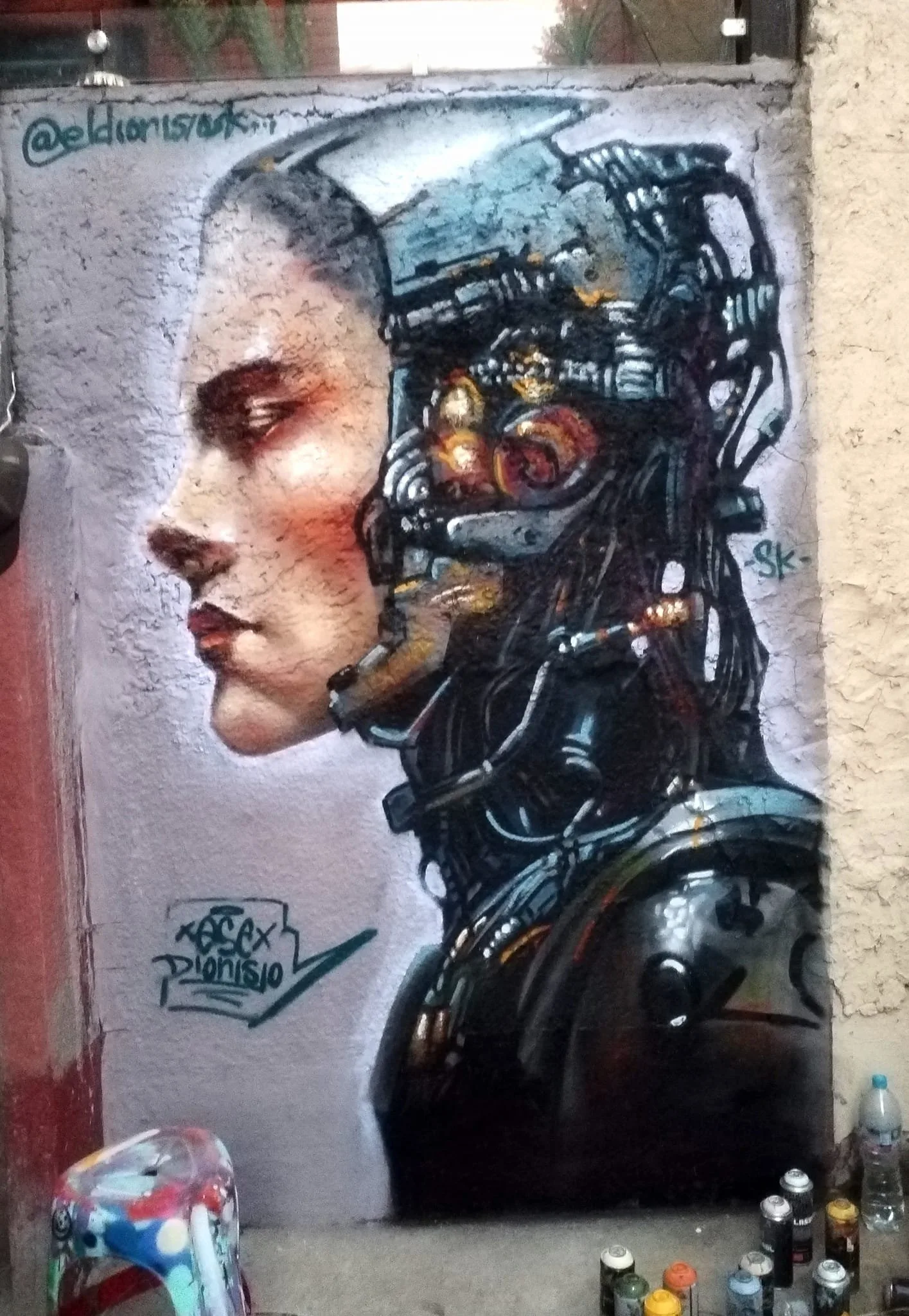
Offices and coworking spaces face a challenge that goes beyond furniture: creating environments where people actually want to be, think, and collaborate. Recent studies in environmental psychology suggest that the presence of art in the workplace can be associated with increases of 15% to 30% in workplace well-being indicators. Murals are emerging as a concrete tool to achieve this - not as superficial decoration, but as cultural infrastructure that transforms the daily experience of those who inhabit these spaces.
There are white walls that go unnoticed. And then there are walls that tell stories, spark conversations, and define a team's identity.
Over the past decade, companies of all sizes - from ten-person startups to corporations with thousands of employees - have discovered that investing in mural art for their workspaces generates returns that go far beyond aesthetics. The trend is global: from Mexico City to Berlin, from São Paulo to Singapore, murals are redefining what a contemporary workplace means.
This article explores the evidence behind that intuition, the strategic reasons that support it, and how organizations around the world are using murals to build culture, attract talent, and communicate their values.
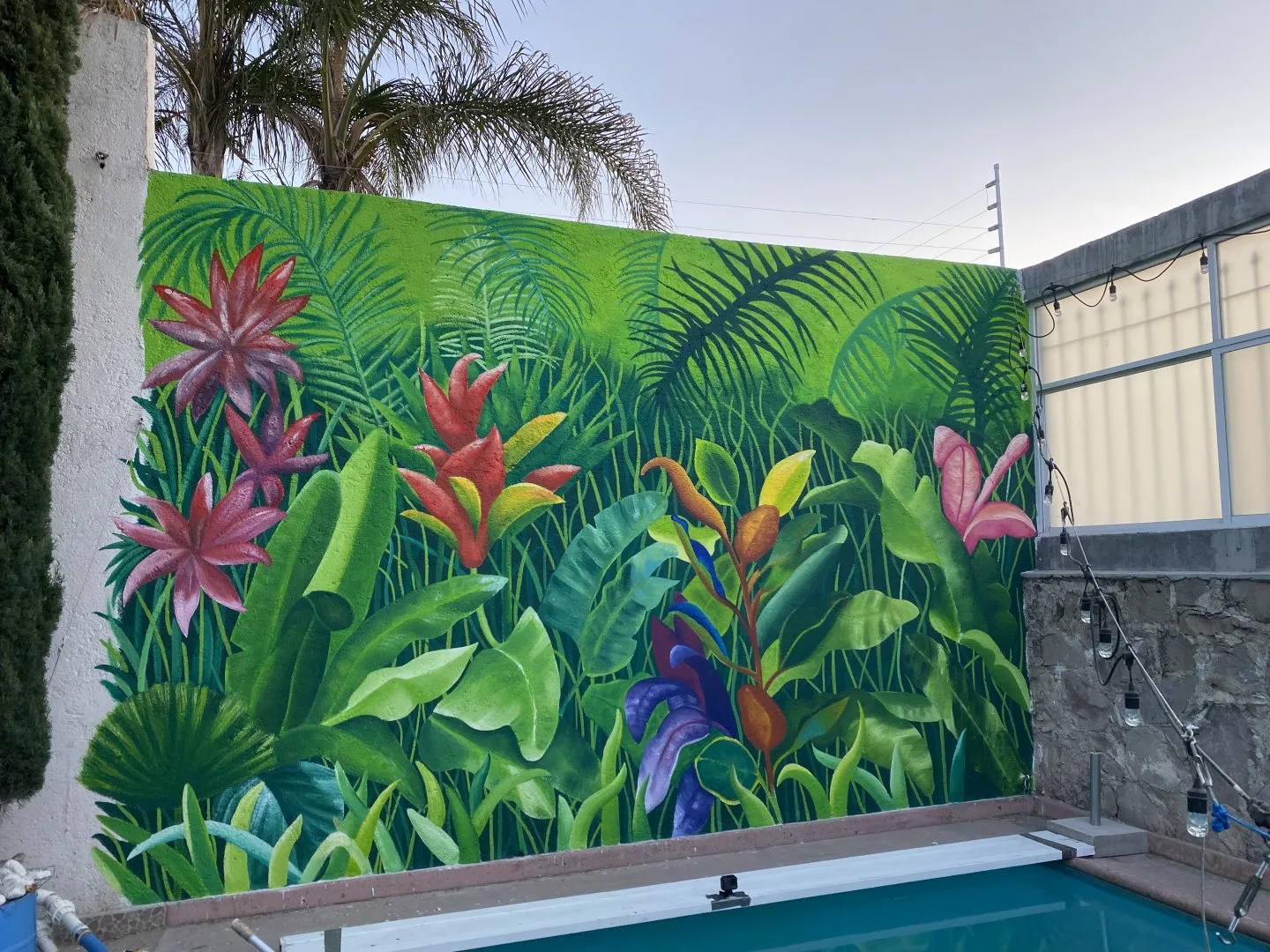
Murals in workspaces transform functional walls into identity and conversation points for teams and visitors.
The Science of Art in the Workplace
The relationship between visual environment and productivity is not new in academic literature. What has changed is the accumulation of evidence supporting it.
A study by the University of Exeter (Knight & Haslam, 2010) found that employees who worked in offices with art elements and personalized decoration showed productivity levels up to 32% higher compared to those occupying austere, standardized spaces. The proposed mechanism is straightforward: when people feel that their environment reflects something beyond minimum functionality, their sense of belonging and commitment increases.
Subsequent research by the British Council for Offices has reinforced this line of inquiry. Their reports suggest that incorporating art in offices can be associated with improvements of 15% to 30% in workplace well-being indicators, including satisfaction, perceived stress reduction, and willingness to collaborate. These are not absolute numbers or guarantees, but the trend is consistent across multiple studies and cultural contexts.
Why Murals - and Not Just Any Art
If art in general improves workspaces, the natural question is: why murals specifically. The answer has several layers.
Unlike framed paintings or generic prints, a mural is inherently site-specific. It is designed for a particular space, with defined dimensions, lighting, and architectural context. This means the final result is not interchangeable - it is created for that place and that team. That specificity generates a sense of identity that generic corporate decoration solutions cannot replicate.
Additionally, murals have a scale that makes them unavoidable. You cannot ignore a three-meter mural on the conference room wall the same way you ignore a small poster next to the printer. That constant presence is precisely what makes them effective tools for cultural communication.
5 Strategic Functions of Office Murals
Beyond aesthetics, murals serve operational and strategic functions in the workplace. These are the five main ones.
1. Visible Brand Identity
A mural can translate a company's values - innovation, diversity, sustainability - into a visual language that employees and visitors absorb continuously. It is branding that does not feel like branding.
2. Talent Attraction
In a competitive job market, the physical space is part of the value proposition. Offices with their own visual personality create a first impression that influences candidates during interviews and tours.
3. Productivity and Well-being
Evidence suggests that visually stimulating environments reduce cognitive fatigue and increase job satisfaction. A well-designed mural can function as a visual anchor that breaks the monotony of daily routine.
4. Creativity and Innovation
Murals introduce unconventional visual stimuli that can activate creative connections. In technology, design, and advertising companies, art on the walls functions as a silent reminder that thinking differently is part of the culture.
5. Wayfinding and Zoning
In open-plan offices, murals function as spatial markers. They help define zones - the focus area, the collaboration zone, the break space - without the need for additional physical walls.
The Coworking Phenomenon: When the Space Is the Product
The coworking industry has been, arguably, the most visible accelerator of mural adoption in workspaces. And the reason is simple: in a coworking space, the environment is not just the container for work - it is the product being sold.
WeWork popularized this formula globally. In their locations across New York, London, Mexico City, Tel Aviv, and dozens of other cities, murals became an identity element as recognizable as their logo. Each location featured specific pieces reflecting local culture, creating a sense of unique place within a standardized system. The strategy was replicated by competitors worldwide.
But the trend extends beyond WeWork. Independent coworking spaces in Bogota, Barcelona, Nairobi, and Bangkok have adopted murals as a competitive differentiator. In a market where connectivity, coffee, and desks are commodities, the space design - and specifically the art - becomes one of the few variables that truly distinguish one offering from another.
For coworking operators, murals serve an additional function: they generate visual content for social media. Members photograph the murals, share them on LinkedIn and Instagram, and the space gains organic exposure without additional advertising investment. It is user-generated marketing, activated by art.
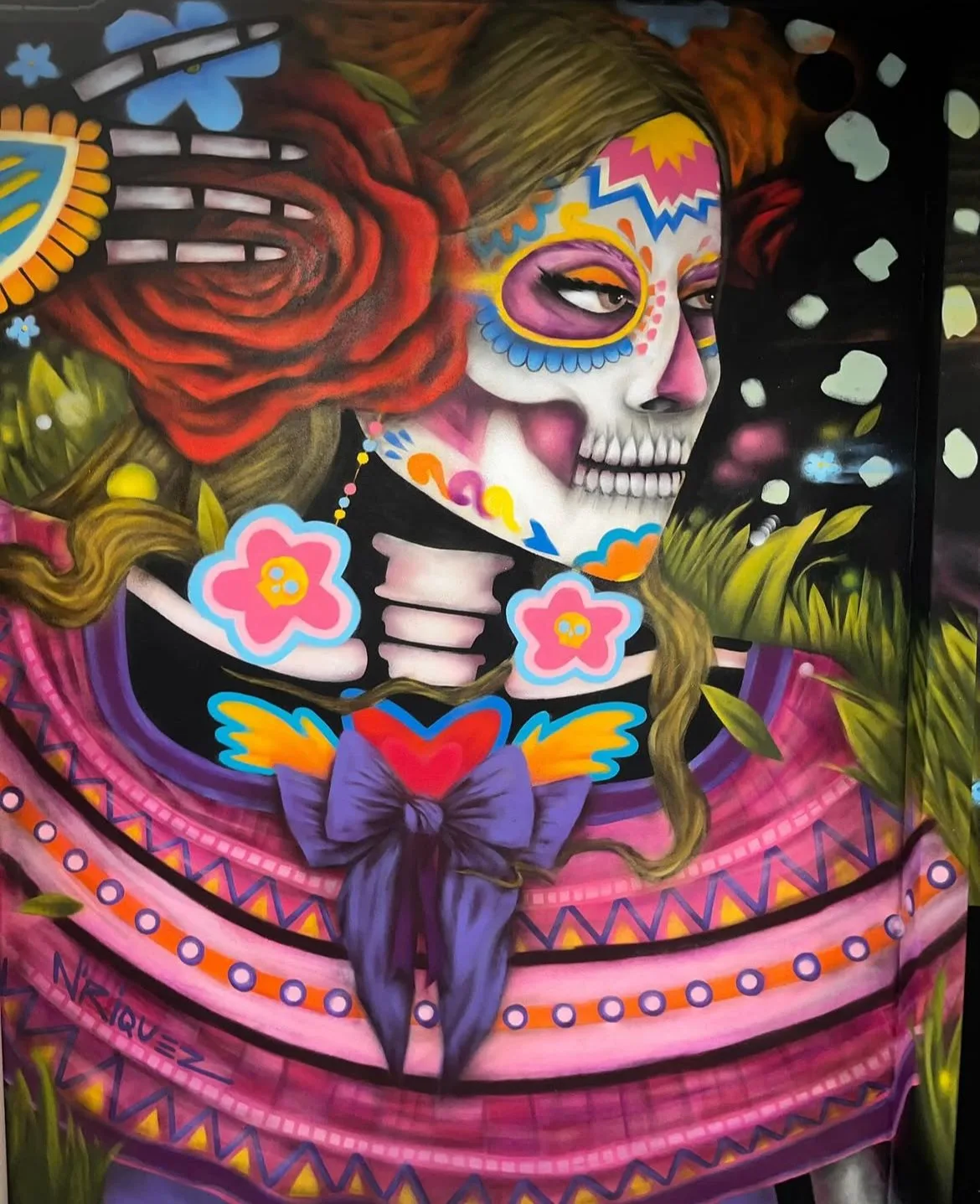
In coworkings and shared offices, murals serve as competitive differentiators and organic content generators for social media.
Brand Values, Translated into Paint
One of the most compelling applications of corporate murals is the visualization of organizational values. Many companies have mission statements that live in PDF documents nobody consults after onboarding. A mural transforms those abstract concepts into something tangible and present.
A technology company in Berlin can commission a mural representing the global connectivity of its platform. An architecture firm in Monterrey can choose a piece celebrating the construction process. An environmental organization in Vancouver can depict local ecosystems on its walls. In each case, the mural functions as a visual manifesto that communicates identity without the need for words.
The key lies in the design process. The best corporate murals are not generic pieces applied onto a wall; they are the result of a dialogue between the artist and the organization. The muralist understands the company's culture, interviews the leaders, walks the space, and translates that information into a visual proposal that reflects the essence of the place. That collaborative process is what distinguishes a mural that works from one that merely takes up space.
Talent Retention: The Invisible Factor
In conversations about talent retention, the physical space is usually a secondary topic. Salaries, benefits, flexibility, and growth opportunities take center stage. But the reality is that the environment where a person spends eight or more hours a day has a significant impact on their decision to stay or explore alternatives.
According to data from Gensler (Global Workplace Survey, 2020), workspace design is one of the factors influencing overall job satisfaction. Employees who rate their physical environment positively tend to report greater commitment to the organization. In this context, murals represent a relatively accessible investment with the potential for disproportionate impact.
This is particularly relevant in the era of hybrid work. When competing for employees' physical presence has become a challenge, the space needs to offer something that the home office does not. A three-meter mural does not fit in an average apartment. The experience of working surrounded by large-scale art is exclusive to the shared space, and that gives offices that invest in it a differential advantage.
Practical Considerations
Implementing a mural in an office or coworking involves decisions that go beyond choosing an attractive design. Here are some factors organizations should consider.
Location and Visibility
High-traffic walls - lobby, main conference room, coffee area - are the locations where a mural has the greatest impact. High-traffic zones maximize exposure for both employees and external visitors.
Artist Selection
The artist's style should be compatible with the organizational culture. A hyperrealist mural communicates something different from an abstract or typographic one. Selection requires reviewing portfolios, previous references, and ability to work in interiors with defined timelines.
Logistics and Timelines
Most interior murals can be completed in 3 to 10 days depending on scale and complexity. It is advisable to coordinate execution during weekends or low-activity periods to minimize operational disruptions.
Durability and Maintenance
Interior murals, protected from weather, can last decades with minimal maintenance. A transparent sealant or varnish applied upon completion protects the pigments and facilitates surface cleaning.
A Global Perspective: 250+ Artists, One Marketplace
One of the historical obstacles to mural adoption in offices has been the difficulty of finding and hiring the right artist. The traditional process required searching for local muralists independently, negotiating without market references, and managing logistics without support.
Muralia was created precisely to solve that problem. With over 250 verified artists in its global network, the platform connects organizations with professional muralists across multiple countries and styles. The process includes transparent pricing, collaborative design, project tracking, and quality assurance - all through a platform designed to professionalize the mural art industry.
Whether the office is in Buenos Aires or Los Angeles, whether the coworking operates in Madrid or Guadalajara, Muralia facilitates access to professional mural talent without the frictions of the traditional process.