How to Professionalize Your Muralist Career: Tools and Systems
The muralism industry is professionalizing. What once worked with verbal agreements, prices negotiated over WhatsApp, and portfolios scattered across Instagram now requires systems, structure, and tools that allow a muralist to operate as what they truly are: a creative professional running a real business. This article explores what it means to professionalize your muralist career and which tools exist to make it happen.
With more than 250 muralists active on digital platforms, operating in over 60 cities across 4 countries, muralism can no longer be managed on talent alone. The artists building sustainable careers are the ones who have adopted professional systems - and the results speak for themselves.
The Professionalization Gap in Muralism
Most muralists in Latin America still work informally. Not because they lack talent, but because they lack infrastructure. The pattern is familiar: a potential client contacts you through Instagram or WhatsApp, you negotiate a price in a conversation that gets lost in the chat, there is no formal contract, the deposit is made via bank transfer with no structured receipt, and if something goes wrong, there is no documentation to support either party.
This informality has a real cost. Muralists undervalue their work because they have no market data. Clients distrust the process because there are no guarantees. And the industry as a whole loses credibility compared to other creative services that professionalized years ago - graphic design, architecture, commercial photography.
The Inflection Point
Professionalizing does not mean losing your creative essence. It means having the infrastructure to sustain your art as a business: fair pricing backed by data, documented communication with clients, protected payments, and a portfolio that works for you around the clock.
Digital Portfolio Management: Beyond Instagram
Instagram is a discovery tool, but it is not a professional portfolio. Posts get lost in the feed, there is no way to organize projects by type or style, and the algorithm decides who sees your work. A professional portfolio needs to be searchable, organized, and permanent.
Muralists who document their projects in a structured way - with before-and-after photography, project data, location, and dimensions - build a professional archive that serves them in future negotiations. An artist like Azul Barraza, with 37 documented murals, or FatBrush with 29 registered projects, has a sales argument that no Instagram feed can replicate.
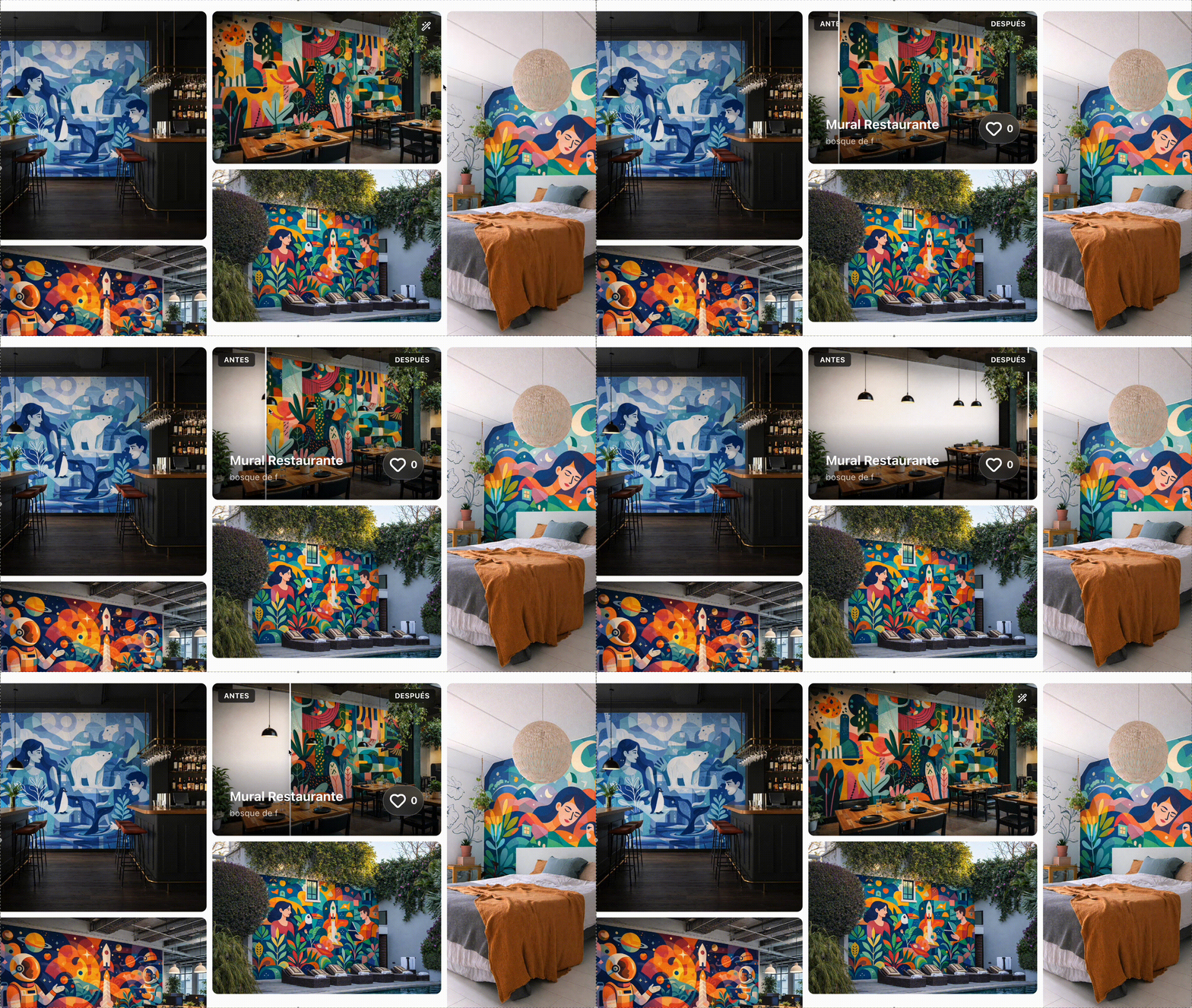
Before/after documentation turns every project into a portfolio piece with full context.
Search engine visibility also makes a fundamental difference. When a muralist's profile shows up in organic Google searches - for example, "muralist in Guadalajara" or "mural for restaurant CDMX" - the artist stops depending exclusively on social media to find clients. Platforms like Muralia optimize each artist profile for SEO, turning digital presence into a proprietary acquisition channel.
Tools like direct Behance import also reduce friction: an artist can migrate their complete portfolio in minutes without having to rebuild everything from scratch.
"Muralia is a space where clients can see all creative possibilities and we access them as an expansion alternative."
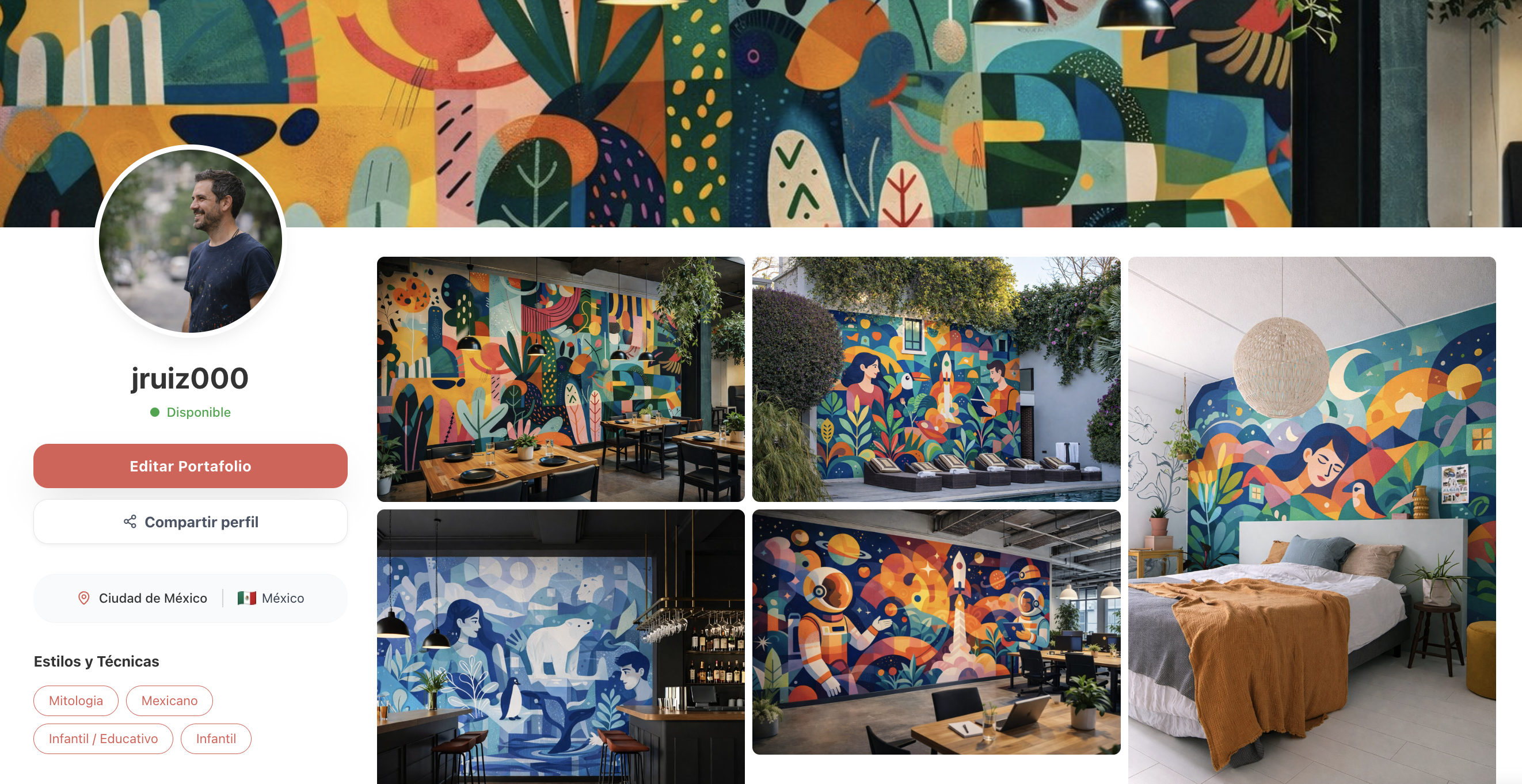
Professional profile indexed on Google: name, city, styles, and portfolio visible in organic searches.
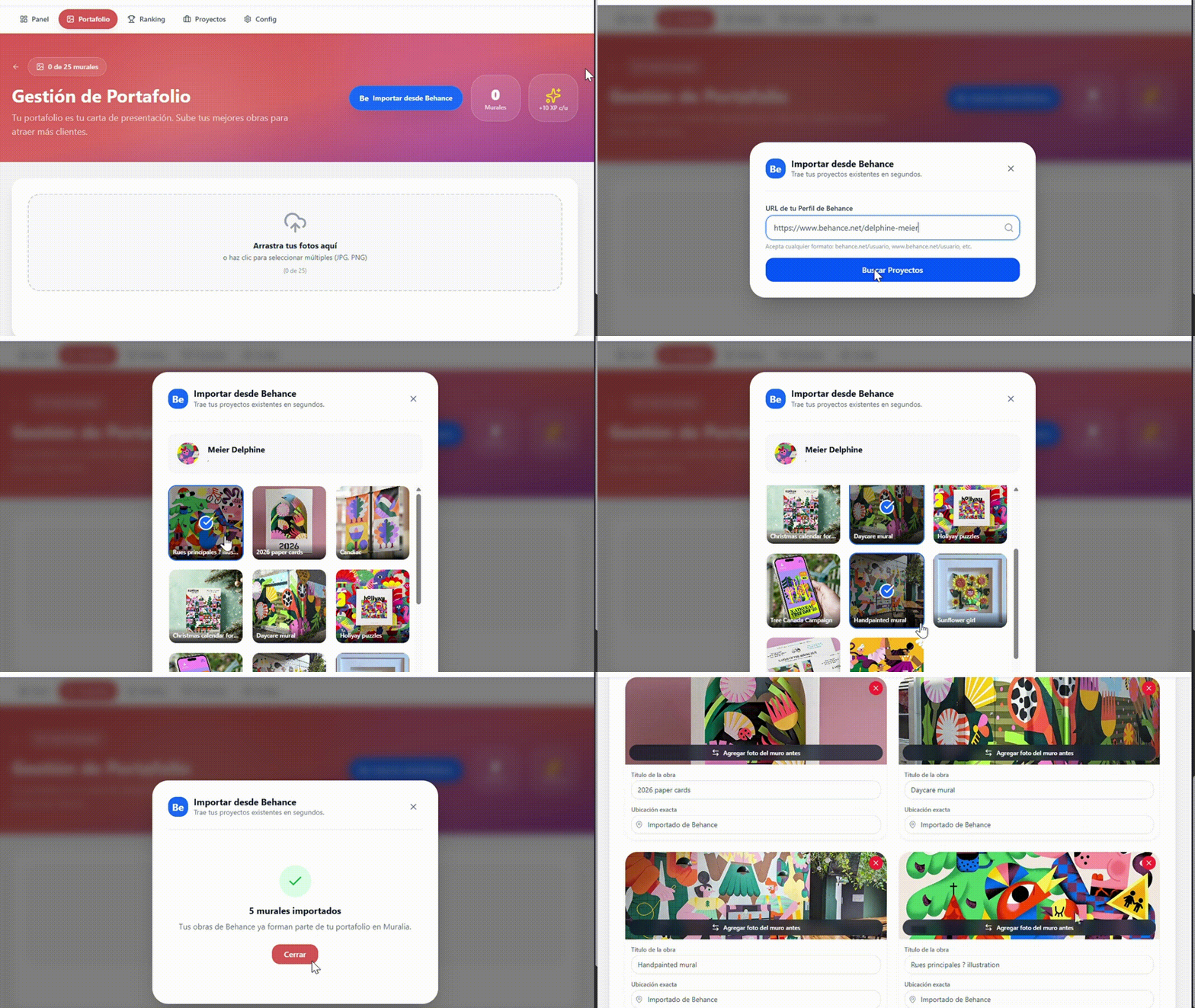
Behance import: name, avatar, cover, and projects migrated in minutes.
Quote and Project Management: From WhatsApp to Structured Workflows
The moment a muralist loses the most money is not when they paint - it is when they quote. Without market data, without a professional proposal format, and without a record of conversations, every negotiation starts from scratch. The client does not know what to expect, the artist does not know what to charge, and the result is frustration for both.
Professional muralists have migrated from informal conversations to structured workflows. This means: formal quotes with cost breakdowns, documented estimated timelines, sketches approved before painting begins, and a record of every change or adjustment made along the way. Each revision is documented, eliminating the ambiguity that has historically caused disputes between artists and clients.
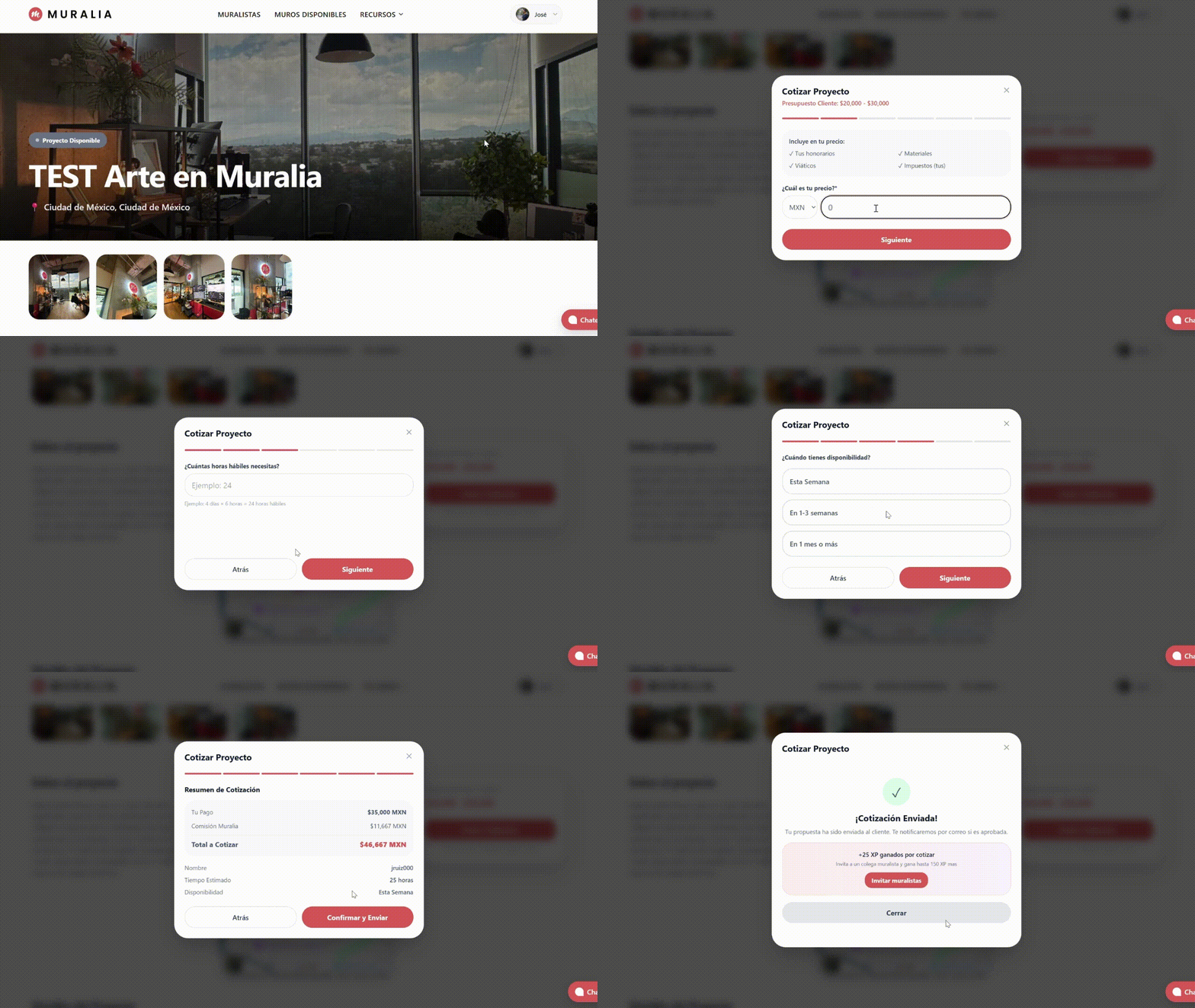
A professional project flow: from quote to payment, with every stage documented.
- 1Quote with structure: Price, estimated timelines, project scope, and comments. The quote is editable after submission, adapting to the natural changes of any creative project.
- 2Transparent comparison: The client can evaluate multiple proposals side by side, comparing price, experience, and each artist's portfolio.
- 3Design approved before painting: Sketches and design proposals are uploaded to the platform. The client approves, requests changes, or rejects. No surprises.
- 4Auditable record: Every interaction is documented with a timestamp. This protects both artist and client in case of disagreements.
Financial Tools: Milestone Payments, Invoicing, and Protection
One of the biggest friction points in muralism is money. The artist fears not getting paid after painting. The client fears paying everything upfront and not receiving what they expected. The professional solution is a milestone payment system: a deposit when the quote is accepted and the balance upon project completion.
This staged payment model protects both parties. The deposit demonstrates the client's commitment and covers the artist's initial materials. The final payment is released when the project is delivered as agreed. It is the same principle used by platforms like Upwork or Fiverr, but adapted to the specific needs of muralism - where projects are physical, local, and larger in scale.
Protected Payments
The deposit + final payment model is not just financial convenience - it is a trust mechanism. When both parties know there is a system protecting the transaction, the professional relationship starts from a place of security, not suspicion. This reduces disputes and allows artist and client to focus on what matters: the project.
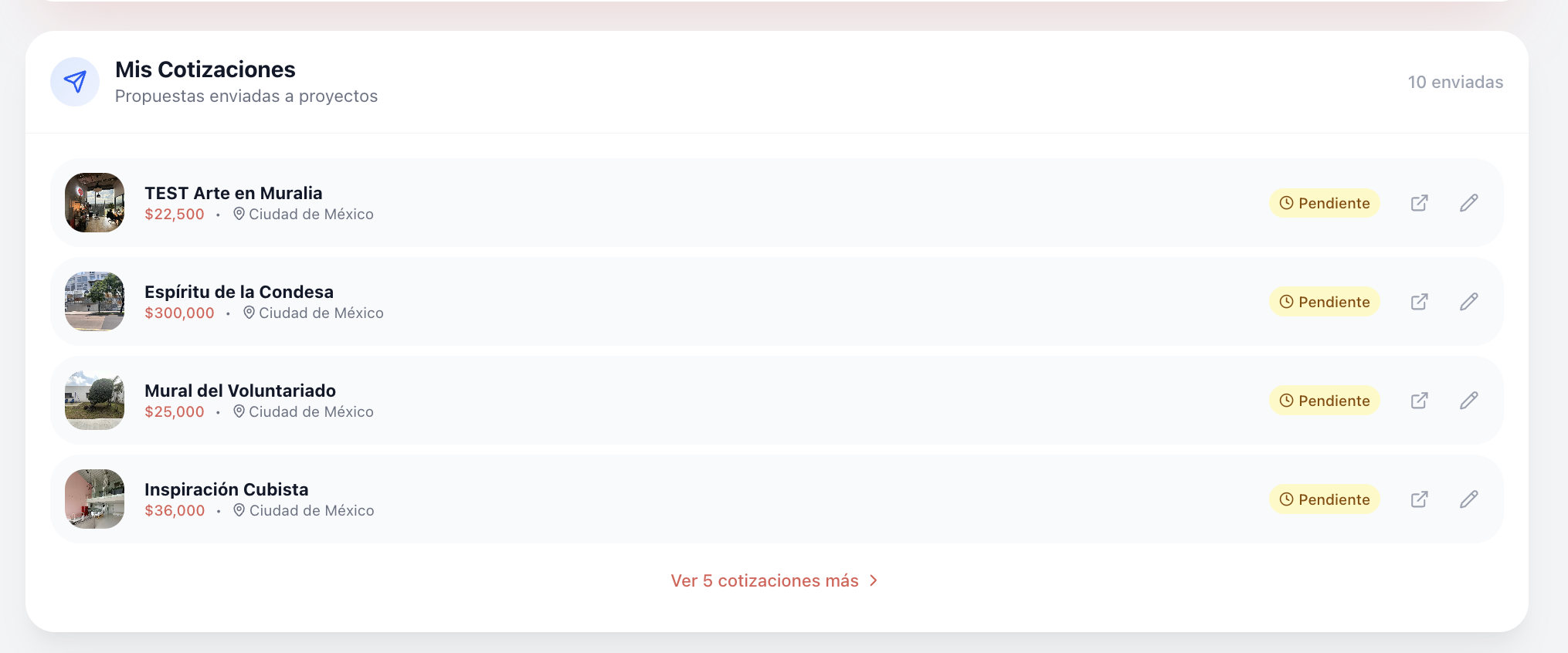
Complete history: every quote with its status, amount, and date documented.

Career KPIs: square meters painted and accumulated revenue as a professional record.
Reputation and Career Metrics: Building a Verifiable Track Record
In most creative industries, reputation is built over time through completed projects and satisfied clients. In muralism, that reputation has historically been invisible: nobody keeps a public record of how many murals an artist has painted, how many square meters they have covered, or how consistent they are in delivering on time.
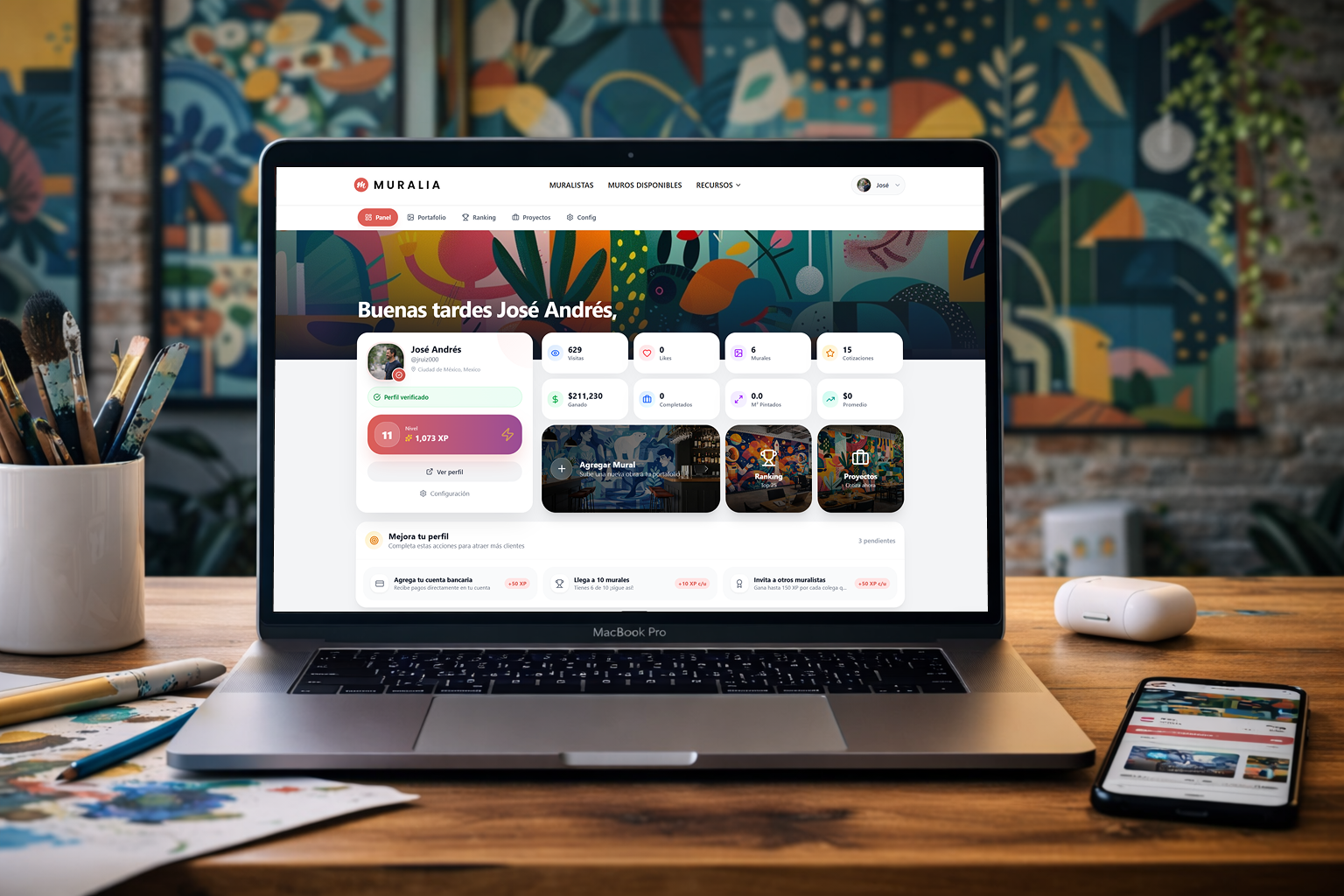
Professional metrics systems change this. When a muralist accumulates verifiable KPIs - square meters painted, projects completed, revenue generated - they have a negotiating argument that goes beyond "look at my photos." Platforms like Muralia complement this with XP-based gamification systems, where every professional action (quoting a project, completing a profile, documenting a mural) earns points that feed a public muralist ranking.
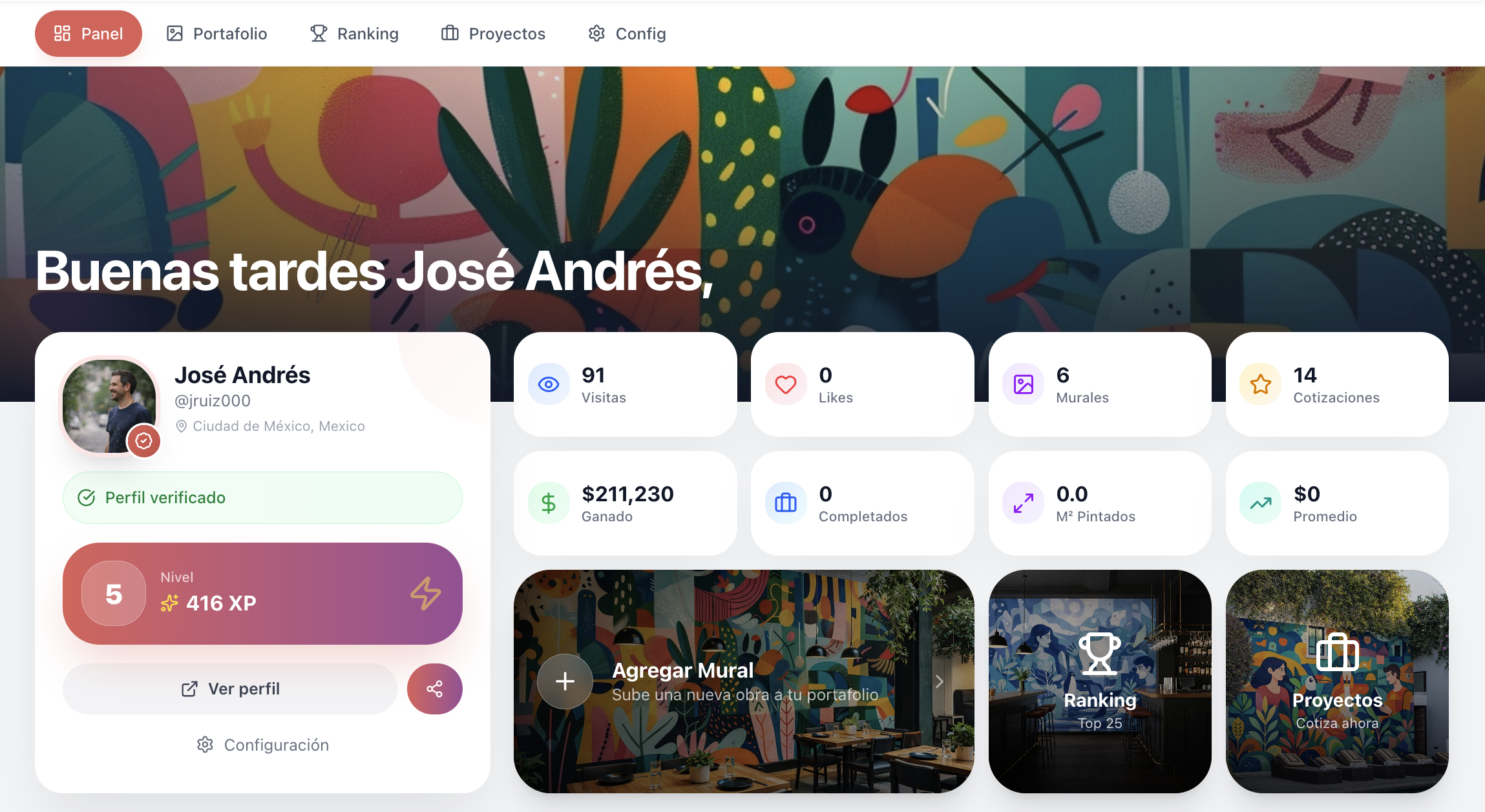
XP panel: current level, accumulated points, and progress toward the next level.
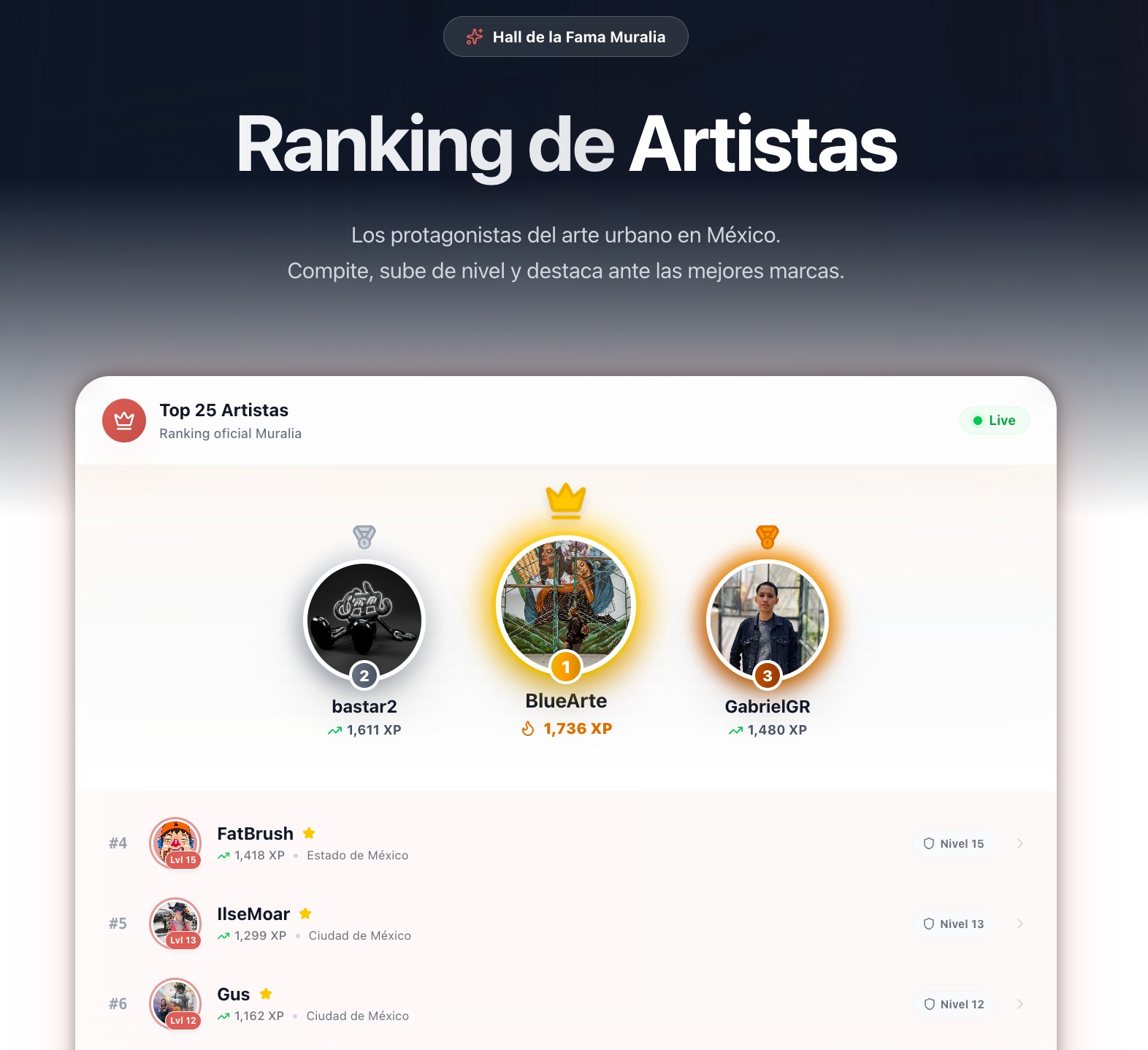
Live ranking: position, level, and accumulated XP of each verified muralist.
Networking and Referrals: Growing Through Community
In an industry where word of mouth remains the primary acquisition channel, referral programs formalize something that already happens naturally. A muralist recommends a colleague, and both benefit: the person who invites and the person who joins receive rewards. The most active referrers advance to higher tiers and earn more for each subsequent invitation.
This does not replace personal relationships - it amplifies them. Instead of recommending someone and having the referral get lost, the system documents every connection and ensures both parties receive tangible value. It is networking with infrastructure.

Referral dashboard: invitees, rewards earned, and progress toward the next level.
4 Key Lessons for Professionalizing Your Career
1. Document everything
Every mural you paint without documenting is a missed opportunity. Professional before-and-after photography, project data, dimensions, and location. Your archive is your strongest sales argument.
2. Formalize your payments
Deposit + final payment is not bureaucracy - it is protection. Define your payment terms before starting, use tools that document the transaction, and never work without a written agreement.
3. Build your own visibility
Do not rely solely on Instagram. Make sure you have a presence on platforms indexed by Google, where potential clients can find you by searching "muralist in [your city]."
4. Invest in your network
The best opportunities come through referrals. Build relationships with other artists, participate in professional communities, and use referral programs that reward genuine connections.
How to Choose Your Tools: Muralia vs. Alternatives
There is no one-size-fits-all solution. Every tool has its place in a muralist's career. What matters is understanding what each one offers and choosing the combination that best fits your situation.
Behance
WxllSpace
Book An Artist
Muralia
The Path Toward a Sustainable Career
The professionalization of muralism will not happen on its own. It requires artists to adopt tools, clients to demand clear processes, and the industry to build infrastructure that works for everyone.
Platforms like Muralia are building that infrastructure: Google-indexed portfolios, editable quotes with auditable history, milestone-protected payments, XP and public ranking systems, referral programs, and profiles that function as professional landing pages. With more than 250 muralists across 4 countries and tools designed specifically for the muralism industry, it is a starting point for any artist who wants to take the next step in their career.
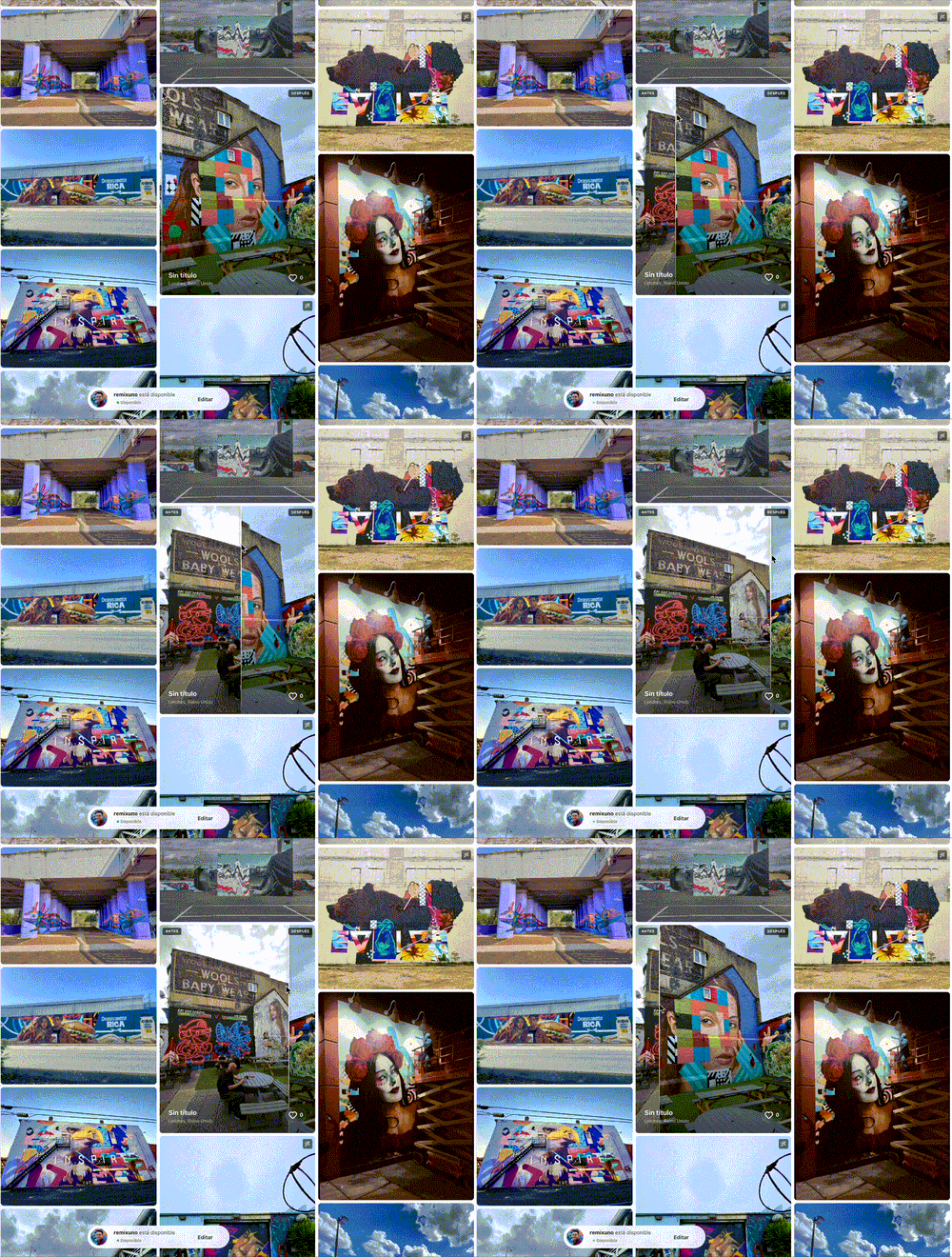
A complete professional profile: portfolio, geolocated murals, artistic styles, and structured contact information on a single page.